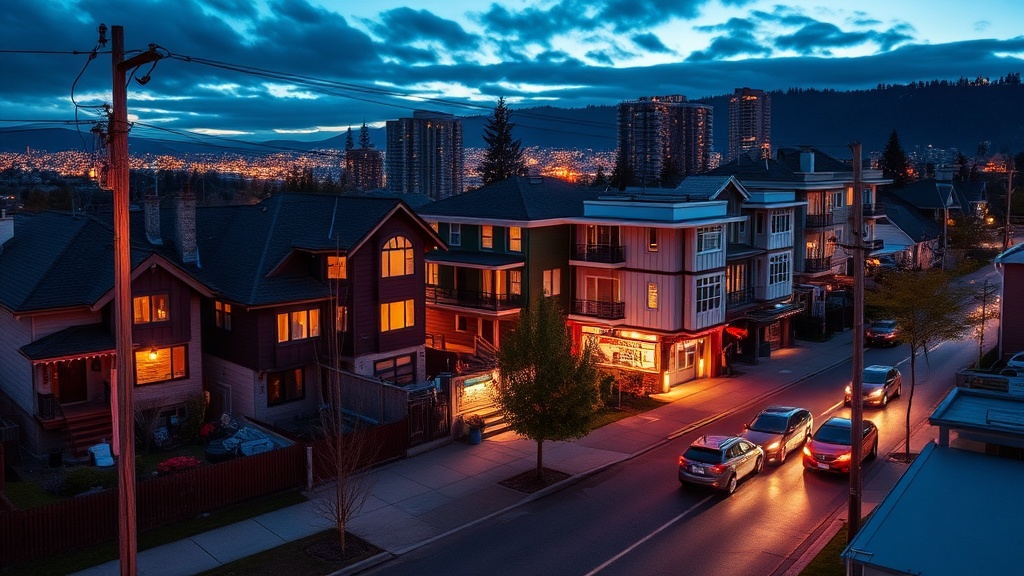
How to Track and Respond to Development Proposals in Your North Vancouver Neighbourhood

Did you know that North Vancouver's two municipalities—the City and the District—collectively process hundreds of development applications each year, yet fewer than 5% of residents ever formally weigh in on projects that could reshape their streets for decades? That's not apathy; it's a systems problem. Most of us want a say in how our neighbourhoods evolve—we just don't know where to look or how to participate before the excavators arrive.
Whether you live in a quiet Central Lonsdale condo, a family home near Delbrook Park, or a character house in Lower Capilano, development affects us all. New buildings change sightlines, traffic patterns, parking availability, and the feel of our streets. The good news? North Vancouver's municipal processes do include meaningful opportunities for resident input—you just need to know how to find them and make your voice count.
What Development Projects Actually Trigger Public Consultation in North Vancouver?
Not every renovation or backyard laneway house requires your input. In North Vancouver—both the City and the District—certain thresholds determine when public notification and consultation become mandatory. Understanding these thresholds helps you focus your attention on projects that genuinely matter to your block.
In the City of North Vancouver, rezoning applications, development permit applications for multi-family buildings, and any project requesting variances typically require public notification. The District of North Vancouver follows similar guidelines, with additional requirements for developments near environmentally sensitive areas—something that's particularly relevant given our mountainous terrain and creek systems running through neighbourhoods like Edgemont Village and Blueridge.
Here's what triggers the "public input" flag in most cases: buildings over a certain height (usually three storeys or higher in residential zones), projects requesting density bonuses, applications near established single-family neighbourhoods, and anything that would significantly alter traffic patterns on collector roads like Mountain Highway, Lonsdale Avenue, or Capilano Road. The municipality will post signs on the property, send notices to nearby addresses, and list the application on their online portals—but these notices often use technical language that obscures what's actually being proposed.
The key is reading between the lines of those beige "Development Proposal" signs you see stapled to utility poles. They'll list an application number and a contact at City Hall or the District's planning department. That number is your entry point into the full file—architectural drawings, shadow studies, traffic impact assessments, and the planner's preliminary report.
How Can You Actually Find Development Applications Before They're Approved?
Both North Vancouver municipalities maintain public databases, but they're buried deep within government websites and updated on schedules that seem designed to confuse. Here's how to stay ahead of the curve without checking six different URLs every morning.
For City of North Vancouver residents, the Development Services portal lists active applications by address and file number. You can filter by neighbourhood—a useful feature if you want to monitor only Central Lonsdale or Lower Lonsdale projects. The District of North Vancouver offers a similar planning and development tracker, though its interface is less intuitive. Both systems allow you to subscribe to notifications for specific geographic areas, which is honestly the best investment of five minutes you'll make this month.
Beyond official channels, local community associations often maintain more accessible notification systems. The Central Lonsdale Residents Association, the Lynn Valley Community Association, and similar groups frequently share development updates via email newsletters or Facebook groups before formal municipal notices hit mailboxes. These groups also coordinate responses—there's strength in numbers when addressing Council.
Pro tip: walk your neighbourhood with your phone camera once a month. Those beige municipal signs I mentioned? They legally must remain posted for a minimum period (usually 14 days), but they have a habit of disappearing or being obscured by construction hoarding. Photograph any new signs immediately and email yourself the file numbers for follow-up.
What Should You Include in Written Feedback That Actually Gets Read?
Municipal planners and elected officials read a lot of emails—often hundreds per significant application. The ones that influence decisions share common characteristics. They're specific, they're grounded in the community's official planning documents, and they demonstrate an understanding of trade-offs rather than simply opposing all change.
First, reference the correct file number and address in your subject line. Planners are juggling dozens of projects; make their job easy. Open with your connection to the site—"I live at 1234 Chesterfield Avenue, three doors down from this proposal"—because proximity matters in municipal decision-making. Your lived experience of that intersection, that sidewalk, that sightline carries weight.
Then, frame your comments using the language of North Vancouver's planning framework. Both municipalities have Official Community Plans (OCPs) that establish policy directions for growth. If a proposal aligns with the OCP but you have concerns about execution, say so. If it contradicts established policy, cite the specific section. Comments like "this is too tall" get filed; comments noting that "the proposed height exceeds the 4-storey maximum established in Section 4.2 of the Central Lonsdale OCP" get remembered.
Be honest about impacts. Will this project block afternoon sunlight from your garden? Increase traffic on a street where children already walk to Larson Elementary? Remove mature trees that provide bird habitat? These specific, experiential details matter more than general statements about "character" or "overdevelopment." At the same time, acknowledge legitimate community needs. North Vancouver needs housing—saying so while explaining how a specific proposal could be improved shows you're a reasonable participant, not a knee-jerk opponent.
When and How Do Public Hearings Work—and Should You Attend?
Public hearings are the formal culmination of the consultation process, held during Council meetings in both North Vancouver municipalities. They're not debates—residents speak, Council listens, then Council deliberates and votes later. Understanding this format helps you prepare effectively.
In the City of North Vancouver, public hearings typically occur on Monday evenings at City Hall on West 14th Street. The District holds theirs at the Municipal Hall on West Keith Road. Both require advance registration to speak, usually by noon on the day of the hearing. You can also attend virtually through Zoom links posted on municipal websites—a legacy of pandemic adaptations that's actually improved accessibility for residents with mobility challenges or caregiving responsibilities.
If you choose to speak, you generally have five minutes. That's not much. Write your remarks in advance and practice aloud. Open with your address and your specific interest in the project. Focus on 2-3 key points rather than attempting a comprehensive critique. And crucially—be respectful. Councillors respond better to neighbours than to adversaries, even when they disagree with your position.
Attendance matters even if you don't speak. Council chambers filled with residents send a signal about community engagement. Empty chambers—well, those send a signal too. If you can't attend, written submissions received before the hearing are entered into the official record and distributed to all Council members. They carry nearly as much weight as spoken comments.
How Do You Follow Up After Council Makes a Decision?
Council decisions on development applications aren't necessarily final. If a project is approved with conditions you find problematic, or if it's rejected and you believe it deserved approval with modifications, there are additional steps in the process.
Approved projects in North Vancouver typically move to detailed design and building permit stages. These involve different municipal staff and different opportunities for input—particularly around landscape plans, construction management, and site safety. The City's bylaws department and the District's similar offices handle complaints about construction noise, traffic management during building, and adherence to approved plans. Staying engaged through the construction phase ensures the approved vision actually materializes.
For rejected applications, applicants often revise and resubmit. If you're tracking a file, check back every few months. The same application number might reappear with modifications addressing previous Council concerns—sometimes successfully, sometimes not. This iterative process is how our neighbourhoods actually evolve, through successive approximations rather than single decisive moments.
North Vancouver's growth pressures aren't easing. We're sandwiched between mountains and ocean with limited room to expand, which means every development decision carries outsized consequences for the community we share. The residents who understand these processes—and who participate consistently, not just when controversy erupts—are the ones who actually shape how our city and district grow. That could be you. Start with the notification sign-up forms, bookmark those development trackers, and make checking them part of your monthly routine. Your neighbourhood's future is literally being written in planning files right now.